Compare Local Contractors for Wildlife Removal Services
Compare local contractors for wildlife removal to define scope, verify experience, and set clear expectations, ensuring a trusted and effective property solution.
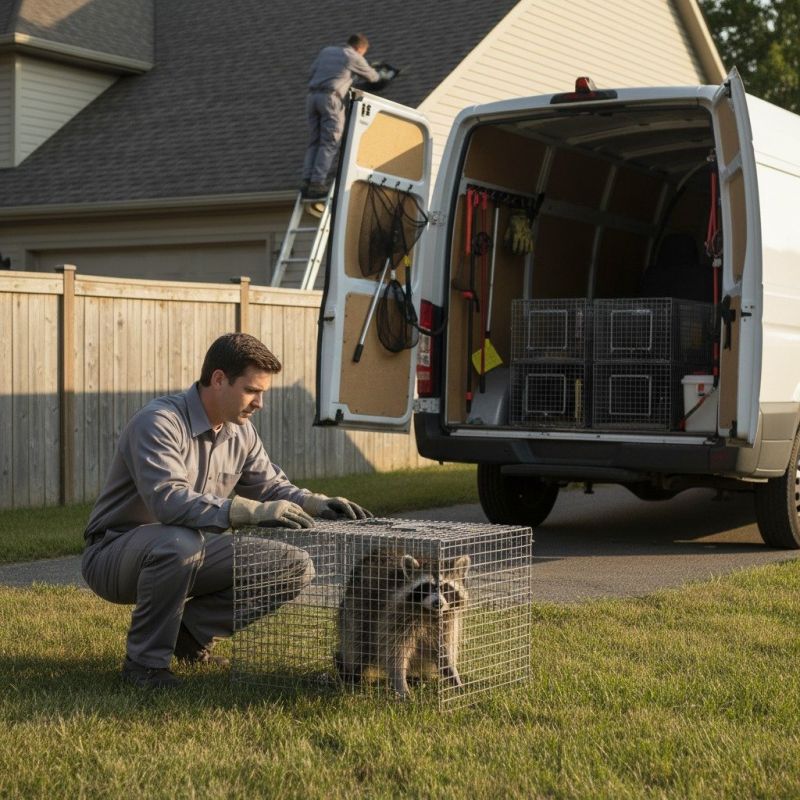
Wildlife removal contractors typically handle a range of services aimed at managing nuisance animals on residential or commercial properties. This can include identifying the types of wildlife present, safely trapping or excluding animals, and implementing measures to prevent future intrusions. The work often involves inspecting the property for entry points, setting traps or barriers, and ensuring that the removal process complies with local regulations. Clear communication about these tasks helps property owners understand what to expect and ensures the work addresses the specific wildlife issues present on the site.
Defining the scope of wildlife removal work is crucial to achieving effective results. A well-outlined scope clarifies which animals are involved, the methods used for removal, and any necessary repairs or modifications to the property. This helps prevent misunderstandings and ensures that both property owners and service providers share the same expectations. Documenting the scope in writing can also serve as a reference throughout the project, reducing the risk of scope creep or overlooked details that could impact the success of the work.
When comparing local contractors for wildlife removal, property owners should consider their experience and the range of services offered. Verifying that contractors have handled similar wildlife issues can provide confidence in their ability to manage the specific challenges of the property. Additionally, reviewing the scope of work proposed by each service provider-preferably in writing-can help identify differences in approach and ensure that the chosen contractor’s plan aligns with the property owner’s needs. Gathering information about each contractor’s methods, experience, and scope of work can lead to a more informed decision and a smoother wildlife management process.
Compare local contractors by outlining priorities, verifying experience, and clearly defining scope and expectations in writing.
- Compare Contractor Credentials - Review the experience and reputation of local contractors to ensure reliable wildlife removal services.
- Define Scope of Work - Clearly outline the specific wildlife issues to be addressed and the procedures involved.
- Verify Experience and Expertise - Confirm that service providers have relevant experience handling wildlife removal in similar situations.
- Document Expectations in Writing - Establish a detailed agreement that specifies the scope, methods, and responsibilities of the contractor.
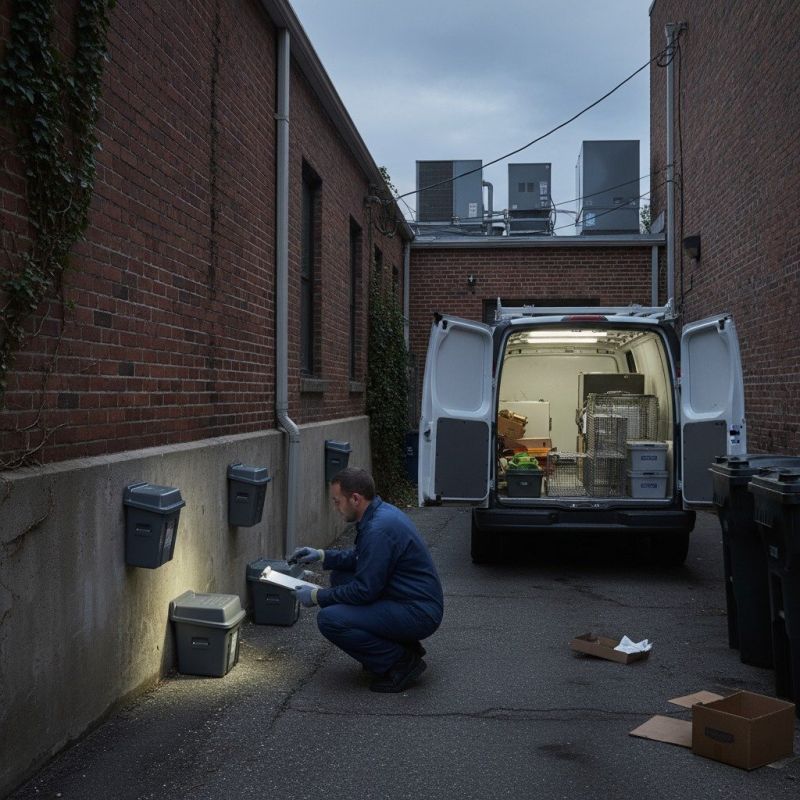
Clearly describe your wildlife removal project to effectively compare local contractors, verify experience, and set expectations in writing.
- Verify experience and expertise in wildlife removal specific to the species involved. - Ensure the service providers clearly define the scope of work and removal methods in writing.
- Compare the credentials and reputation of different local contractors to assess reliability and quality of service. - Look for detailed descriptions of services offered and previous experience with similar wildlife issues.
- Check if the contractors provide written estimates that outline the scope of work and any follow-up services. - Confirm that the scope includes inspection, removal, and prevention measures as needed.
- Assess the communication and professionalism of the service providers during initial inquiries or consultations. - Ensure they can clearly explain their approach and answer questions about the removal process.
- Review the warranty or guarantee policies offered by the contractors for their wildlife removal work. - Understand what assurances are provided if pests return or issues persist after removal.
- Compare the safety protocols and cleanup procedures outlined by each service provider to ensure thorough and responsible work.
Compare local contractors, clarify scope, verify experience, and set clear expectations in writing.
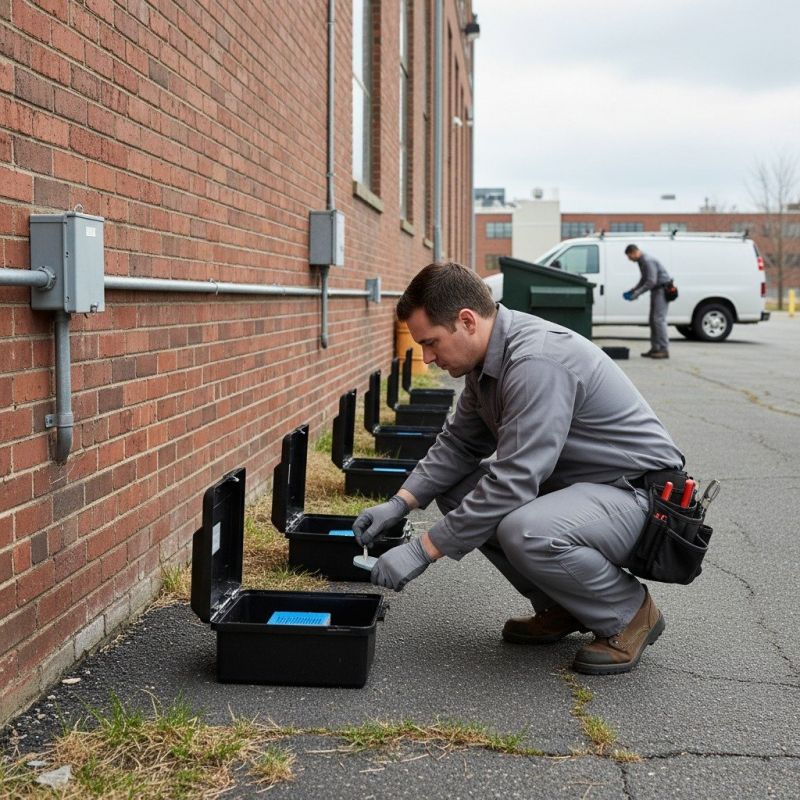

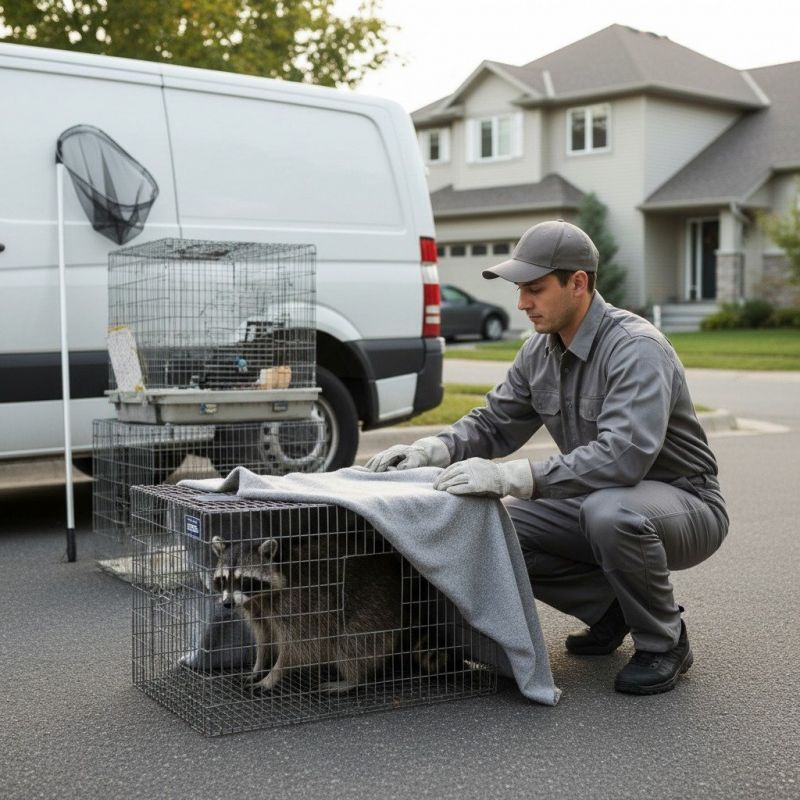
Use this scope builder to compare wildlife removal contractors, verify their experience, and clearly define expectations in writing.
- Scope Definition - Clearly outline the specific wildlife species and areas to be addressed in the removal process.
- Service Responsibilities - Specify the tasks the service provider will perform, including removal, exclusion, and cleanup activities.
- Experience and Expertise - Verify the provider’s experience with wildlife removal and their familiarity with local wildlife regulations.
- Work Scope Documentation - Ensure all aspects of the work are documented in writing, including methods and expected outcomes.
- Exclusion and Prevention - Define any additional services for preventing future wildlife issues, such as sealing entry points or habitat modification.
When comparing wildlife removal contractors, it is important to consider their experience with similar projects. Homeowners should inquire about the types of wildlife they have handled and the specific situations they have managed. Contractors with a history of working on projects comparable to the current needs are more likely to understand the unique challenges involved and employ effective removal techniques. Gathering information about their past work can help ensure that the service provider has relevant experience and a track record of successful wildlife management.
A clear, written scope of work is essential for setting proper expectations and ensuring that all parties understand what the project entails. Homeowners should seek detailed descriptions of the services included, such as inspection, removal, exclusion, and cleanup. A well-defined scope helps prevent misunderstandings and provides a basis for evaluating whether the contractor’s approach aligns with the homeowner’s needs. It also serves as a reference point for any future clarifications or adjustments during the project.
Verification of a contractor’s basic credentials involves confirming their background and reputation within the community. Homeowners can ask for references or reviews from previous clients, and seek information about their standing with local trade organizations or industry groups. Verifying these basics helps build confidence that the service provider has a history of reliable work and adheres to professional standards. While not a guarantee of quality, these steps can provide insights into the contractor’s reliability and approach.
When evaluating options, homeowners should consider how each contractor communicates and documents their process. It’s important to review written proposals, scope statements, and any warranties or guarantees offered. Comparing how clearly and thoroughly each service provider explains their methods and expectations can help identify the most professional and transparent options. By focusing on experience, scope, verification, and communication, homeowners can make informed choices among local contractors capable of handling wildlife removal projects effectively.
Request written details of the scope of work to ensure clear understanding and consistent expectations with service providers.
- **Scope of Work Clarification** - What specific wildlife removal services are included and what areas will the contractor cover?
- **Experience and Expertise** - How long has the contractor been handling wildlife removal projects similar to this one?
- **Methodology and Techniques** - What removal methods and exclusion techniques does the contractor plan to use?
- **Scope Limitations** - Are there any wildlife species or situations that the contractor does not handle?
- **Written Agreement Details** - What should be included in the scope of work and expectations in the written contract?
What should I consider when choosing a wildlife removal contractor? It’s important to compare the experience, reputation, and scope of services offered by different local service providers to ensure they meet the specific needs of the removal project.
How can I verify the experience of a wildlife removal contractor? Ask for details about their previous work with similar wildlife issues and check for references or reviews to gauge their familiarity with the type of removal required.
What questions should I ask a wildlife removal contractor before hiring? Inquire about the methods they use, the scope of work included, and how they handle cleanup and prevention measures to ensure clarity on the services provided.
Why is it important to define the scope of work in writing? Having a written outline of the services helps set clear expectations, prevents misunderstandings, and provides a record of what is included in the removal process.
How can I compare different wildlife removal service providers effectively? Review their experience, scope of services, reputation, and the clarity of their proposals to determine which contractor aligns best with the project’s needs.
What role does communication play when working with a wildlife removal contractor? Clear and detailed communication ensures that all parties understand the scope, procedures, and expectations, leading to a smoother removal process.
This page has provided an overview of how to find and evaluate contractors specializing in wildlife removal services. Visitors learned the importance of clarifying the scope of work, verifying experience, and setting clear expectations in writing when comparing local service providers. By understanding these key points, it becomes easier to identify reputable contractors who can handle wildlife removal effectively.
Using the quote form allows for a straightforward way to compare options among local contractors. It helps gather information to assess different service providers and find the right fit for specific needs. Taking a moment to connect with multiple local contractors can support making informed decisions about wildlife removal services.