Spring Season Dead Bird Removal Service Options
Spring is a great time to connect with local contractors who can handle dead bird removal and help refresh your property’s appearance.
Spring is a popular season for dead bird removal due to the increased activity of birds returning from migration and nesting nearby. As temperatures warm and natural food sources become more abundant, birds often seek out sheltered spots around properties to establish nests. This heightened presence can lead to more frequent encounters with dead or fallen birds on lawns, rooftops, and other outdoor areas. Property owners may notice an uptick in bird-related debris during spring, making it an ideal time to address any lingering concerns before nesting season fully begins or progresses.
The scope of dead bird removal services typically includes locating and safely removing deceased birds from various parts of a property, such as rooftops, gutters, attics, and yard areas. Service providers may also offer cleanup of any residual debris and advise on measures to prevent future issues, like bird-proofing or installing deterrents. These efforts help maintain a clean, hygienic outdoor environment and reduce the risk of attracting pests or other wildlife. Property owners interested in this work can find local contractors who specialize in bird and wildlife removal, ensuring the job is handled efficiently and safely.
When comparing options among local service providers, property owners should consider the experience and reputation of each company, as well as the scope of services offered. It can be helpful to review any available information about their methods and the types of properties they serve. Asking for details on how they handle dead bird removal and cleanup can provide clarity on what to expect. By evaluating these factors, property owners can select a provider that best meets their needs and ensures a thorough, professional approach to dead bird removal during the spring season.
Compare local contractors' expertise and experience to find the best fit for your spring dead bird removal project.
- Expert Dead Bird Removal - Local contractors can carefully remove deceased birds from your property to prevent odors and health concerns.
- Sanitation and Cleanup - Professionals provide thorough cleaning of affected areas to eliminate residues and prevent future issues.
- Preventative Measures - Service providers can identify and address entry points to reduce the chance of future bird intrusions.
- Seasonal Property Refresh - Spring is an ideal time for pest-proofing and property maintenance to prepare for warmer months.
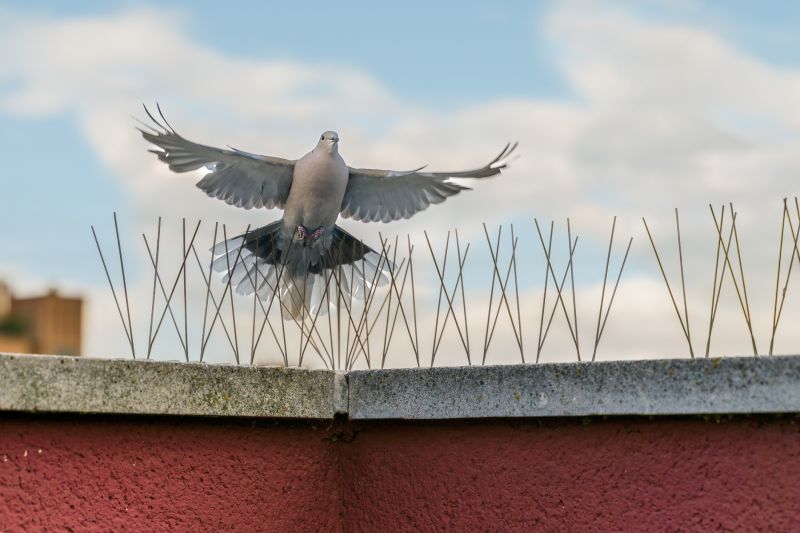
Before choosing a service provider for dead bird removal, clearly describe your project needs and compare local contractors' options.
- Inspect outdoor structures for signs of bird nests or droppings. Look for areas where dead birds may have become lodged or fallen, especially in vents, eaves, and soffits. Identify any foul odors or visible debris indicating dead bird presence. Check around vents, chimneys, and attic vents for dead birds or carcasses. Assess entry points or openings that could allow birds to access indoor spaces. Ensure that potential nesting sites are cleared and sealed to prevent future issues. Contact local contractors experienced in dead bird removal for safe and effective cleanup.
Use this to explore ideas and refine the scope for spring bird removal projects.
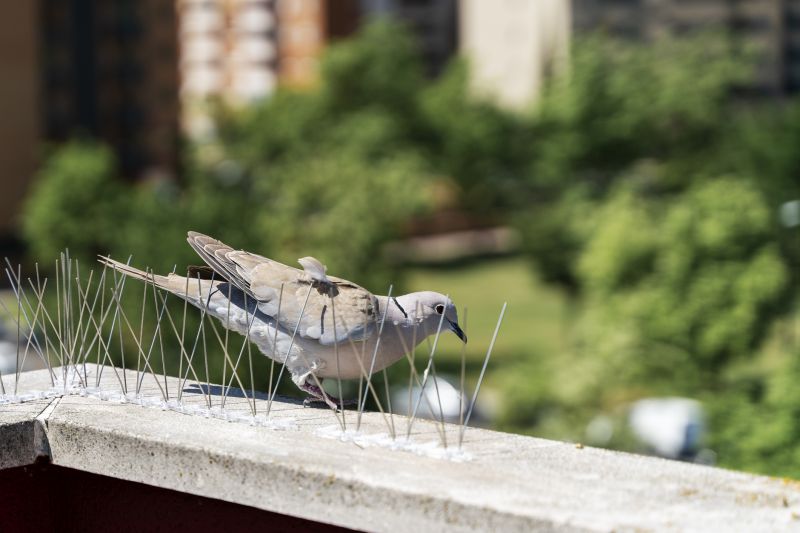

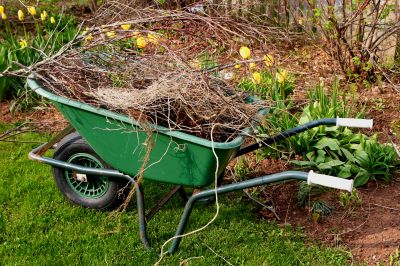
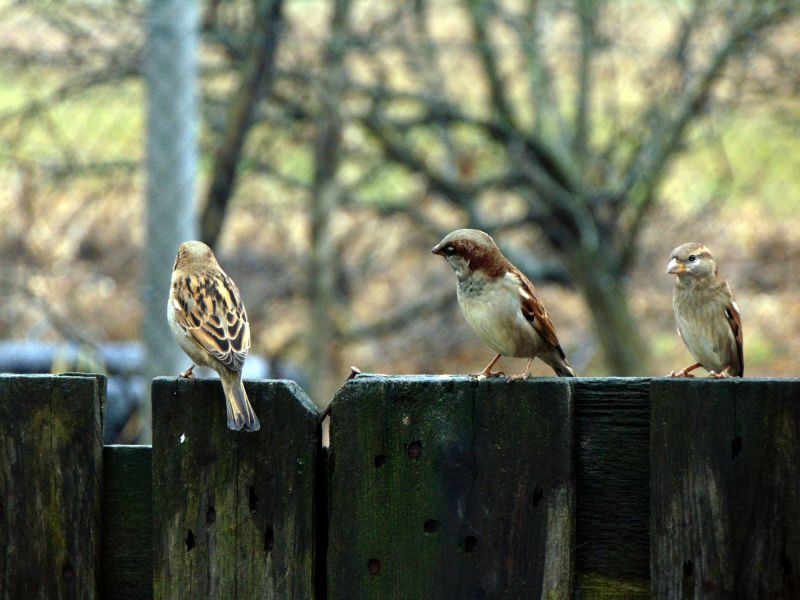
Compare local contractors and prioritize your needs to find the best service providers for dead bird removal this spring.
- Dead Bird Removal - Local contractors can help identify and safely remove deceased birds from attics, chimneys, or roof spaces as part of spring cleaning.
- Dead Bird Removal - Spring is an ideal time to inspect and remove dead birds to prevent odor issues and pest attraction around the property.
- Dead Bird Removal - Service providers can assist with cleaning and disinfecting areas where birds have been found to maintain a healthy environment.
- Dead Bird Removal - Professionals can evaluate and implement measures to prevent future bird nesting or carcass accumulation in common springtime spots.
- Dead Bird Removal - Local experts offer comprehensive removal services that include odor control and sanitation to restore property cleanliness.
Compare local contractors’ dead bird removal services to ensure consistent quality and expertise across providers this spring.
- Assessment of Bird Activity - Identify areas where dead birds or nests are present to determine the scope of removal.
- Inspection of Building Structures - Evaluate the building’s exterior and eaves for signs of bird entry points and nesting sites.
- Removal Methods - Determine the appropriate techniques and tools that local contractors will use to safely remove dead birds.
- Sanitation and Disinfection - Plan for cleaning and disinfecting affected areas to prevent odor and health issues.
- Preventative Measures - Identify potential strategies to reduce future bird activity and entry points after removal.
When evaluating service providers for dead bird removal during the spring season, it is important to consider their experience with similar projects. Homeowners should seek out local contractors who have a proven track record of handling bird removal and cleanup tasks in residential settings. An experienced professional will be familiar with common nesting locations, the best methods for safe and effective removal, and the potential challenges that arise with springtime bird activity. This background can help ensure that the project is managed efficiently and that the work meets the specific needs of the home environment.
Clarity in the scope of work is essential when comparing local service providers. Homeowners should look for contractors who clearly outline what is included in their dead bird removal services. This might encompass inspection, removal, cleanup, and any necessary repairs or preventative measures. A well-defined scope helps prevent misunderstandings and ensures that all aspects of the project are addressed. It also provides a basis for assessing whether a provider’s offerings align with the homeowner’s specific concerns and the extent of the bird activity.
Work planning considerations are particularly relevant during the spring when bird activity increases and nesting behaviors are prominent. Homeowners should inquire how local contractors plan their work to accommodate seasonal conditions, such as weather variability and the presence of active nests. Professionals who consider these factors and communicate their approach to scheduling, site access, and safety precautions can contribute to a smoother process. Proper planning helps minimize disruptions and ensures that the removal effort is thorough and respectful of ongoing wildlife activity.
When comparing options, homeowners should evaluate how each local contractor’s experience, scope clarity, and work planning align with their project needs. It is helpful to review the descriptions of services offered and ask about the methods used to ensure comprehensive removal and cleanup. By focusing on the provider’s expertise in similar projects, the transparency of their scope, and their approach to seasonal planning, homeowners can make informed decisions that lead to effective and reliable dead bird removal during the spring season.
Request written details to ensure clear understanding of the scope for dead bird removal services this spring.
- Spring Bird Removal Services - What factors should be considered when comparing local contractors for dead bird removal during spring?
- Scope of Work Clarification - How do different service providers define the extent of dead bird removal and cleanup?
- Seasonal Planning - What spring-specific considerations should be addressed when selecting a dead bird removal service?
- Service Coverage - Do local contractors specify whether their dead bird removal services include interior or exterior spaces?
- Experience and Methods - How do providers differ in their approaches to dead bird removal and disposal during the spring season?
What are common signs of dead birds in a property? Indicators include visible carcasses, strong odors, and increased bird activity or scavenging near structures.
Why should dead bird removal be handled promptly in spring? Early removal helps prevent health risks, reduces attracting pests, and maintains a clean, safe environment for the season.
What steps do local contractors typically take for dead bird removal? Professionals usually locate the carcasses, safely remove them, and sanitize the affected areas to prevent contamination.
Are there specific areas where dead birds are more likely to be found during spring? Common spots include roof vents, eaves, gutters, and concealed areas like attics or behind siding.
How can property owners prevent dead birds from accumulating? Installing deterrents, sealing entry points, and maintaining clean surroundings can reduce bird deaths and nesting issues.
What should be considered when choosing a dead bird removal service? It's important to select experienced local service providers who follow safe removal practices and sanitation procedures.
Spring is an ideal time to address bird-related issues and refresh outdoor spaces. Visitors have learned about the importance of professional dead bird removal to maintain a clean and healthy environment, along with the benefits of working with experienced local contractors who understand seasonal challenges. Comparing options through the quote form can help find the right service provider to meet specific needs and ensure the job is handled effectively.
Choosing the right local contractors for dead bird removal can make spring cleanup and prevention efforts more manageable. By using the quote form to explore different service providers, visitors can easily compare local options and connect with professionals equipped to handle seasonal bird-related concerns. This approach supports making informed decisions tailored to individual property needs during the spring season.
Providing clear details about your dead bird removal project helps local contractors understand your needs effectively.
- Type of Bird - details about the specific bird species involved in the removal process.
- Location of Bird - information on where the dead bird is found, such as attic, yard, or building exterior.
- Access Method - description of how the dead bird can be reached, including any necessary tools or equipment.
- Health Concerns - any relevant health or safety considerations related to bird removal and cleanup.